

- Share Story
-

-

-

Originally written by Michael Hines · Updated and reviewed by Chaunie Brusie, BSN, RN · Last updated November 2, 2026
Key takeaways
- Diagnostic medical sonographers are the highest-paid of the three careers in this guide, with a median salary of $96,590 a year ($46.44 an hour) in May 2025, according to the Bureau of Labor Statistics (BLS).
- MRI technologists earned a median of $95,480 ($45.91 an hour), and radiologic technologists earned a median of $80,110 ($38.52 an hour). All three are well above the $50,980 median for all U.S. workers.
- Sonography is the fastest-growing of the three. The BLS projects 14% job growth for sonographers from 2025 to 2035, compared with 8% for MRI technologists, 5% for radiologic technologists, and 3% for all occupations.
- All three careers typically start with an associate degree. Most states require radiologic technologists to be licensed or certified, while only some states license sonographers and few license MRI technologists. Employers usually prefer certified candidates either way.
Medical imaging is a crucial aspect of healthcare. Imaging lets care teams see inside the body without surgery. The field of medical imaging includes X-rays, computed tomography (CT), magnetic resonance imaging (MRI), and ultrasound, which all help physicians diagnose injuries and disease, monitor treatment, and plan procedures. Radiologists and other physicians interpret the images, but allied health professionals are the ones who prepare patients, run the equipment, and capture the images.
If you’re looking for a well-paid healthcare career that you can usually enter with a two-year degree, medical imaging is worth a close look. Below, we compare three in-demand medical imaging careers: radiologic technologist, diagnostic medical sonographer, and MRI technologist.
For each one, we cover what the job involves, what it pays, how to get started, and which certifications matter.

Which medical imaging careers pay the most? (comparison table)
| Career | Median annual salary (May 2025) | Median hourly wage | Typical pay range (10th–90th percentile) | Projected job growth, 2025–35 | Typical entry-level education |
|---|---|---|---|---|---|
| Diagnostic medical sonographer | $96,590 | $46.44 | $67,820–$129,370 | 14% (much faster than average) | Associate degree or postsecondary certificate |
| MRI technologist | $95,480 | $45.91 | $68,890–$127,670 | 8% (faster than average) | Associate degree |
| Radiologic technologist | $80,110 | $38.52 | $55,980–$118,660 | 5% (faster than average) | Associate degree |
| All U.S. occupations | $50,980 | $24.51 | $31,200–$128,560 | 3% | — |
Source: BLS Occupational Employment and Wage Statistics (OEWS), May 2025, and Occupational Outlook Handbook (OOH) 2025–35 projections.
What does a radiologic technologist do, and how much do they make?
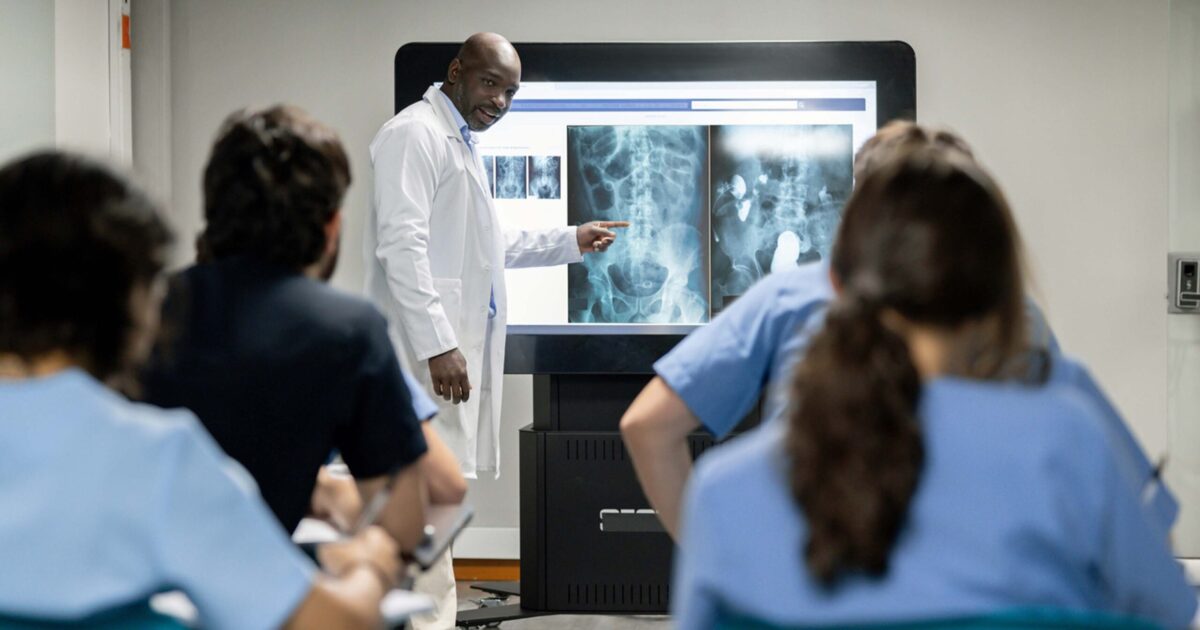
A radiologic technologist, also called a radiographer or radiology technologist, performs diagnostic imaging exams. According to the American Registry of Radiologic Technologists (ARRT), most technologists enter the field as radiographers, using X-ray equipment to image bones, organs, and soft tissue. Many later specialize in areas such as CT, mammography, or interventional radiography.
On a typical shift, radiologic technologists follow physicians’ orders on what to image, prepare patients and take a brief history, position the patient and equipment, shield areas that don’t need to be imaged, and keep detailed patient records. They also work with physicians to decide whether more images are needed. More than half of radiologic and MRI technologists work in hospitals, and because imaging is sometimes needed in emergencies, some work evenings, weekends, or overnight. Some may also need to work on-call positions to be available for emergency situations.
You’ll often see “radiologic technologist” and “radiology technician” used interchangeably in job listings. The BLS counts them as one occupation, but the professional credential is “Registered Technologist,” or R.T., from the ARRT.
How much do radiologic technologists make?
Radiologic technologists and technicians earned a median annual wage of $80,110 in May 2025, or about $38.52 an hour. The lowest-paid 10% earned less than $55,980, and the highest-paid 10% earned more than $118,660.
Median pay was highest in the federal government ($97,490), followed by outpatient care centers ($84,720) and hospitals ($80,650).
Want to see what employers are offering right now? Vivian’s radiology technologist salary guide shows pay from current job listings by state.
How do you become a radiologic technologist?
Most radiologic technologists earn an associate degree. Programs combine classroom study, such as anatomy, patient care, radiation physics and protection, and image evaluation, with supervised clinical training. To earn the ARRT’s Radiography credential, you must hold an associate degree or higher, complete an ARRT-approved educational program in radiography, meet ARRT’s ethics requirements, and pass the exam.
The Joint Review Committee on Education in Radiologic Technology (JRCERT) accredits radiography programs. Some states require licensure candidates to complete an accredited program, so it’s worth checking a program’s accreditation before you enroll.
Do radiologic technologists need a license or certification?
Most states require radiologic technologists to be licensed or certified, and requirements vary by state, according to the BLS. Licensure usually means graduating from an accredited program and either passing a state exam or earning certification from a credentialing organization such as the ARRT. Even where it isn’t required, employers typically require or prefer certified technologists. Many also ask for CPR or basic life support (BLS) certification.
After earning the R.T. in Radiography, technologists can add ARRT credentials in specialties such as CT, mammography, vascular interventional radiography, and cardiac interventional radiography.
To keep ARRT credentials active, technologists renew every year and complete continuing education every two years. Read more about which radiology certifications offer the best job opportunities.
What is the job outlook for radiologic technologists?
The BLS projects employment of radiologic technologists and technicians to grow 5% from 2025 to 2035, faster than the 3% average for all occupations. An aging population and more chronic disease are expected to increase demand for diagnostic imaging. Falls in older adults, for example, often require X-rays or CT scans, as do medical conditions like cancer.
Combined with MRI technologists, the BLS projects about 15,300 job openings a year, many of them to replace workers who retire or change careers.
RELATED: Career Options: Radiography or Sonography
>> Browse Radiologic Technologist Jobs on Vivian
What does a diagnostic medical sonographer do, and how much do they make?
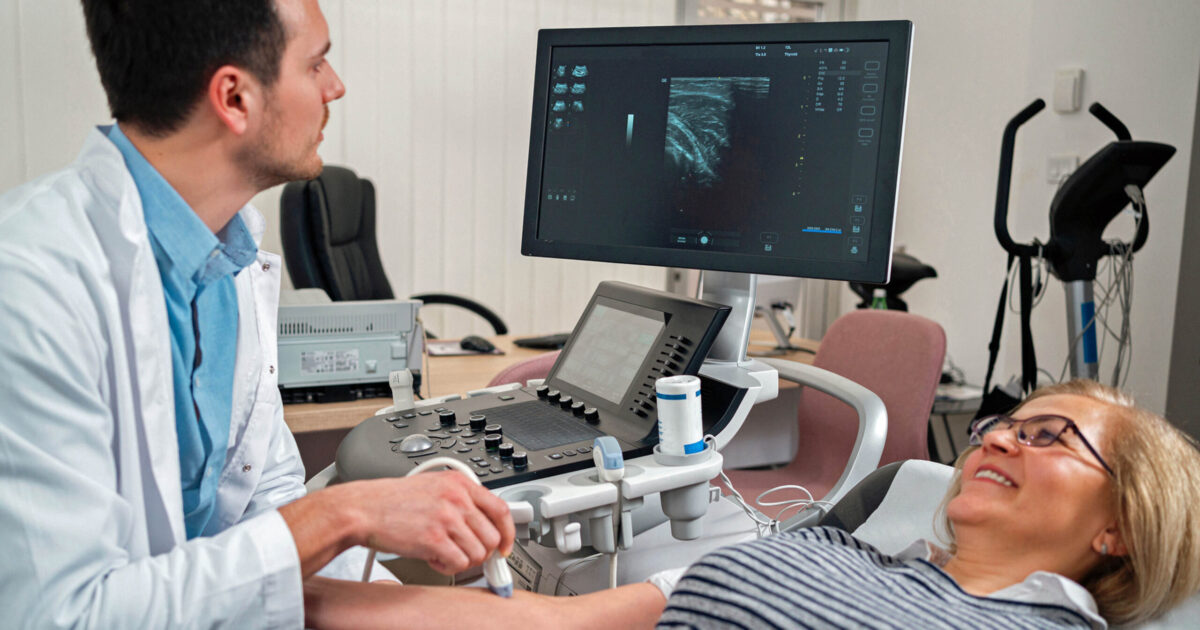
A diagnostic medical sonographer, sometimes called an ultrasound technologist, uses high-frequency sound waves to create images of organs, tissues, and blood flow. Unlike X-rays and CT, ultrasound doesn’t use ionizing radiation. Sonographers position patients, operate the ultrasound equipment, check that the images are good enough for a physician to interpret, and explain procedures to patients.
Many sonographers specialize. Common areas include abdominal, obstetric and gynecologic, breast, vascular and cardiac sonography. Specialty also affects pay. You can compare current job-listing pay in Vivian’s salary guides for ultrasound technologists, OB/GYN sonographers, vascular sonographers, breast sonographers and cardiac sonographers.
RELATED: The 12 Highest-Paying Sonography Specialties in 2026
How much do sonographers make?
Diagnostic medical sonographers earned a median annual wage of $96,590 in May 2025, or $46.44 an hour. That’s the highest median of the three careers in this guide. The lowest-paid 10% earned less than $67,820, and the highest-paid 10% earned more than $129,370.
Outpatient care centers paid the highest median ($127,940), followed by hospitals ($97,390) and physicians’ offices ($95,220).
A median wage of over $96,000 for a career you can enter with an associate degree is impressive, especially when you consider that it’s comparable to the median wage for registered nurses ($97,550 in May 2025).
How do you become a diagnostic medical sonographer?
Sonographers typically need an associate degree or a postsecondary certificate, according to the BLS. Colleges and universities offer associate and bachelor’s degrees in sonography, and some colleges and hospitals offer certificate programs.
Admission requirements vary, and certificate programs are often geared to students who already have some healthcare education. Most programs include courses in anatomy, medical terminology, and applied sciences, plus supervised clinical training.
The Commission on Accreditation of Allied Health Education Programs (CAAHEP) accredits sonography programs on the recommendation of the Joint Review Committee on Education in Diagnostic Medical Sonography (JRC-DMS).
Learn more in our guide on how to become a sonography technician.
Which certifications do sonographers need?
Some states require sonographers to hold a state license. Elsewhere, certification isn’t legally required, but employers may require or prefer it. The main credentialing organizations are:
- American Registry for Diagnostic Medical Sonography (ARDMS): ARDMS, now part of Inteleos, offers four credentials. For example, the Registered Diagnostic Medical Sonographer (RDMS) credential requires passing the Sonography Principles and Instrumentation (SPI) exam plus at least one specialty exam, such as abdomen or obstetrics and gynecology. ARDMS also offers the RDCS (cardiac), RVT (vascular), and RMSKS (musculoskeletal) credentials.
- ARRT: The ARRT offers a primary R.T. in Sonography credential, along with credentials in breast sonography and vascular sonography.
- Cardiovascular Credentialing International (CCI): CCI offers cardiac credentials, including Advanced Cardiac Sonographer (ACS).
What is the job outlook for sonographers?
The BLS projects employment of diagnostic medical sonographers to grow 14% from 2025 to 2035, much faster than the average for all occupations, with about 6,000 openings a year.
As the population ages, more imaging will likely be needed to diagnose conditions that affect older adults. For more on the day-to-day realities, read the pros and cons of being a sonographer.
>> Browse Sonographer Jobs on Vivian
What does an MRI technologist do, and how much do they make?
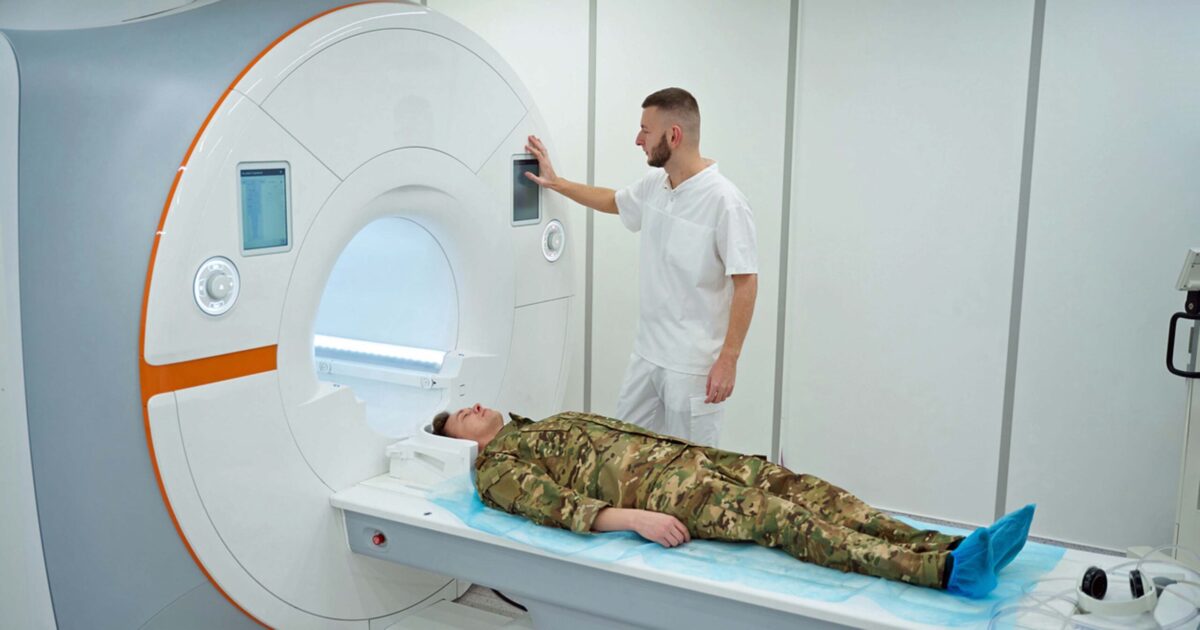
MRI technologists operate magnetic resonance imaging scanners, which use a strong magnetic field and radio waves, not ionizing radiation, to create detailed images of the body. MRI is especially useful for soft tissue, such as the brain, spinal cord, joints, and many organs.
Safety is a big part of the job. Because the magnet is always on, MRI technologists screen patients and anyone entering the scan room for implants, devices and metal objects.
They also position patients and help them stay still, and they may inject contrast agents when a physician orders them. Some patients feel anxious or claustrophobic in the scanner, so talking them through the exam is part of the role too. MRI techs will also need to monitor for any complications during the procedure and intervene accordingly.
RELATED: What’s the Difference Between a CT Technologist and an MRI Technologist?
How much do MRI technologists make?
MRI technologists earned a median annual wage of $95,480 in May 2025, or $45.91 an hour. The lowest-paid 10% earned less than $68,890, and the highest-paid 10% earned more than $127,670. Outpatient care centers paid the highest median, at $140,390, compared with $95,920 in hospitals.
You can also compare current listings in Vivian’s MRI technologist salary guide.
How do you become an MRI technologist?
MRI technologists typically need an associate degree, and many start out as radiologic technologists, according to the BLS. There are two main routes to become an MRI tech:
- Primary pathway: Earn an associate degree or higher and complete an ARRT-approved MRI program, then pass the MRI exam.
- Postprimary pathway: Already hold an eligible credential, such as an ARRT R.T., then complete structured education and documented clinical experience in MRI before taking the exam. ARRT also accepts some sonographers and nuclear medicine technologists certified by ARDMS or the Nuclear Medicine Technology Certification Board (NMTCB) for this route.
JRCERT also accredits MRI programs. Another certifying body, the American Registry of Magnetic Resonance Imaging Technologists (ARMRIT), certifies MRI technologists as well. Few states require MRI technologists to be licensed, but employers typically require or prefer certification.
The ARRT has also added an entry-level Imaging Assistant, Magnetic Resonance credential that requires a high school diploma or GED. Imaging assistants support MRI technologists with safety screening, patient preparation, positioning, and contrast administration, but they don’t perform scans themselves.
What is the job outlook for MRI technologists?
The BLS projects employment of MRI technologists to grow 8% from 2025 to 2035, the fastest rate in the BLS’s radiologic and MRI technologist group. The BLS points to MRI’s role in imaging cancers of the brain, spine, and liver as one reason demand is expected to grow.
>> Browse MRI Technologist Jobs on Vivian
Which states pay medical imaging professionals the most?
Pay varies widely by location. These are the states (including Washington, D.C.) with the highest median annual wages for each career in May 2025:
| Rank | Sonographers | MRI technologists | Radiologic technologists |
|---|---|---|---|
| 1 | California: $128,530 | Washington, D.C.: $128,710 | California: $121,260 |
| 2 | Hawaii: $124,430 | California: $124,000 | Massachusetts: $103,620 |
| 3 | Washington: $121,340 | Washington: $122,750 | Washington, D.C.: $102,770 |
| 4 | Oregon: $120,220 | Oregon: $121,920 | Oregon: $102,290 |
| 5 | Washington, D.C.: $112,020 | Alaska: $120,610 | Washington: $102,090 |
Source: BLS OEWS state estimates, May 2025. Medians are pre-tax and don’t adjust for cost of living.
How is technology changing medical imaging jobs?
New technology is changing how imaging professionals work. Portable and handheld ultrasound devices let sonographers scan patients in more settings. In MRI, faster scanning methods, such as compressed sensing, and AI-assisted image reconstruction can shorten scan times. AI tools are also being used to help prioritize and analyze images.
So far, the BLS still projects job growth for all three careers through 2035. These roles involve hands-on patient care, from positioning and safety screening to calming anxious patients, that software doesn’t do. Technologists who keep learning new equipment and earn additional credentials may have more options.
Learn more about how artificial intelligence is transforming medical imaging.
How we got this data
- Salaries come from the BLS Occupational Employment and Wage Statistics (OEWS) program’s May 2025 national and state estimates, released in 2026. They cover radiologic technologists and technicians (SOC 29-2034), magnetic resonance imaging technologists (29-2035), and diagnostic medical sonographers (29-2032).
- The median is the wage at which half of workers earned more and half earned less. The “typical pay range” runs from the 10th to the 90th percentile.
- Job growth and openings come from the BLS Occupational Outlook Handbook’s 2025–35 projections.
- State rankings include all 50 states and Washington, D.C., where the BLS published a median wage. Medians are pre-tax and don’t account for cost of living, overtime or shift differentials.
- Education, certification, and accreditation details come from the ARRT, ARDMS (Inteleos), JRCERT, and CAAHEP. Requirements change, so check with the certifying body and your state before you enroll.
Frequently asked questions about medical imaging careers
What is the highest-paying medical imaging job you can get with an associate degree?
Of the three careers in this guide, diagnostic medical sonographers had the highest median pay in May 2025, at $96,590 a year, according to the BLS. MRI technologists were close behind at $95,480. Nuclear medicine technologists, another imaging career that typically requires an associate degree, earned a median of $101,370. As in many healthcare jobs, earning additional specialty certifications may help you qualify for higher-paying roles.
How long does it take to become a radiologic technologist?
Most radiologic technologists complete an associate degree program, which typically takes about two years of full-time study, including supervised clinical training. After graduating from an ARRT-approved program, you can take the ARRT radiography exam. Depending on your state, you may also need a state license before you can start working.
Do you need to be a radiologic technologist before becoming an MRI technologist?
Not necessarily. You can complete an ARRT-approved MRI program and take the MRI exam directly through ARRT’s primary pathway. Many MRI technologists do start as radiologic technologists, though, and then use ARRT’s postprimary pathway, which requires structured education and documented clinical experience in MRI.
Is sonography a good career in 2026?
Sonography offers strong pay and growth. Sonographers earned a median of $96,590 in May 2025, and the BLS projects 14% job growth from 2025 to 2035, much faster than the 3% average. The work is hands-on and physically demanding, since sonographers stand for long periods and help lift and move patients.
What is the difference between ARRT and ARDMS?
Both are national credentialing organizations. The ARRT certifies radiographers, MRI technologists, sonographers, and other imaging professionals. ARDMS, part of Inteleos, focuses on sonography and offers the RDMS, RDCS, RVT, and RMSKS credentials. Many sonographers hold ARDMS credentials, and employers may accept either, so check job listings in your area.
Which medical imaging career is growing the fastest?
Diagnostic medical sonography is growing fastest of the three careers covered here. The BLS projects 14% growth from 2025 to 2035, compared with 8% for MRI technologists and 5% for radiologic technologists. All three are growing faster than the 3% average for all occupations, largely because of an aging population.
Launch your medical imaging career on Vivian
Once you’ve finished your training, Vivian can help you find your next role. Compare pay with Vivian’s allied health salary data, read about the highest-paying allied health specialties and the fastest-growing allied health careers, or search medical imaging jobs on Vivian by location, specialty, and pay.
Sources
- U.S. Bureau of Labor Statistics, Occupational Employment and Wage Statistics, May 2025 (national and state estimates)
- U.S. Bureau of Labor Statistics, Occupational Outlook Handbook: Radiologic and MRI Technologists
- U.S. Bureau of Labor Statistics, Occupational Outlook Handbook: Diagnostic Medical Sonographers
- U.S. Bureau of Labor Statistics, Occupational Outlook Handbook: Nuclear Medicine Technologists
- American Registry of Radiologic Technologists, R.T. Credential Options, Primary Eligibility Pathway Requirements, MRI and Ongoing Requirements
- American Registry for Diagnostic Medical Sonography (Inteleos), Registered Diagnostic Medical Sonographer (RDMS)
- Joint Review Committee on Education in Radiologic Technology (JRCERT)
- Commission on Accreditation of Allied Health Education Programs (CAAHEP)
2026 update by Vivian Health.